
Loading
Loading your content...

Disclaimer: Advisory services only • Not legal/financial advice • Consult independent counsel • See Terms
Loading your content...
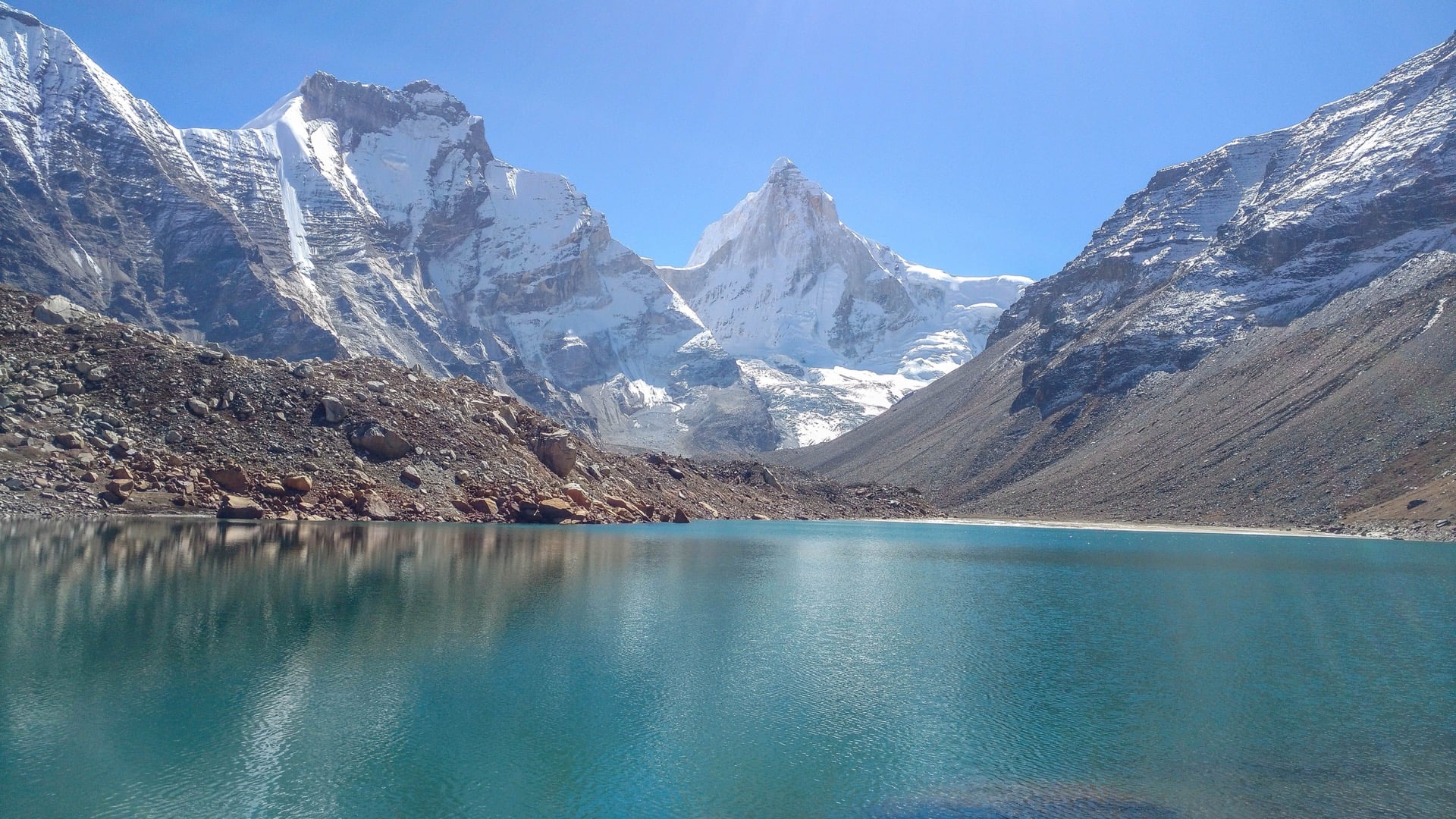
A documented boundary cuts encroachment attempts by 80%+, establishes legal possession, and avoids neighbour disputes. We survey, construct, and document - you don't need to be in India to make it happen.
Without a visible, documented boundary, three things happen - all expensive.
Neighbours extend fields, shepherds graze, trespassers build temporary structures. Each incident sets precedent for an adverse-possession claim later. A wall stops 80%+ of these before they start.
Without a clear line, every question becomes an argument. Rain-washed old markers, forgotten verbal agreements, generational drift - a wall aligned with revenue records puts these to bed permanently.
If a dispute reaches court, the judge looks for physical evidence of boundary and possession. A dated, photographed, survey-aligned wall is the strongest evidence there is.
We run the whole project - you just approve the quote.
Surveyor measures the perimeter, maps terrain, and matches material options (chain-link, barbed wire, precast concrete, full compound wall) to your needs and budget.
Line-item quote for perimeter length, material, gates, signage, labour, and logistics. Nothing starts until you approve in writing.
Vetted contractor execution under our oversight. Daily progress photos. Minor-rectification buffer built into the quote for terrain surprises.
Before/after photos, perimeter map, material receipts, and a dated handover report - the legal evidence package for any future dispute.
Survey through handover, all under Hill Link oversight.
Depends on perimeter, material, and terrain
At current market rates for material and labour, indicative ranges per running foot are: chain-link fencing ₹350-₹700 (simple, fast); barbed-wire with precast posts ₹450-₹900; precast concrete ₹900-₹1,800; full masonry compound wall ₹1,500-₹3,500 depending on height, foundation depth, and terrain. Hill-slope work typically adds 30-60% for retaining-wall structure, scaffolding, and labour logistics. Accessibility is the single biggest cost driver - roadside plots are cheapest; mule-path plots most expensive. These move with the market, so we scope and quote per-plot after a site visit.
Three permission layers: (1) private residential / agricultural plots - simple boundary fencing and markers generally require no formal approval; walls above ~6 feet and along public roads need Gram Panchayat or Nagar Nigam intimation. (2) MDDA (Mussoorie-Dehradun) and HRDA (Haridwar-Roorkee) regulated zones - permanent masonry walls need filed intimation against building bye-laws. (3) Eco-Sensitive Zone buffers - any construction near national-park boundaries needs Forest Department NOC. We handle the filings where required and flag zone-specific rules in the quote.
Depends on slope gradient, soil type, and purpose. For gentle-slope (under 15°) plots with stable soil: chain-link or barbed-wire with concrete posts is cost-effective and drains well. For medium slopes with encroachment risk: precast concrete with stepped foundations and drainage channels. For steep slopes (over 25°) with retaining-wall function: masonry compound wall with proper footing and weepholes, often tied into a lower retaining wall. Surveyor + structural advisor jointly scope the right mix during the site visit.
Yes. The works contract sits directly between you and a licensed contractor (Hill Link is the coordinator, not the principal). Our role: surveyor alignment against Bhu Naksha + khasra, contractor shortlist with quote comparison, milestone-based payment escrow, weekly photo-log reports, signed completion certificate. You approve by email at each milestone. No need to travel. For boundary-wall matters crossing regulated zones (MDDA/HRDA, ESZ), we add the permission filings into the scope.
Standard plot (250-500 sq m), in accessible district, with all permissions: chain-link and barbed-wire 5-10 days; precast concrete 2-4 weeks; full masonry compound wall 4-8 weeks. Hill terrain adds 20-30%; monsoon-season work adds 30-50%. Best construction window for hill-property boundary walls is March-June (before monsoon) so foundations cure properly. We share a realistic week-by-week schedule with the quote.
Send us the plot details and we'll schedule a site survey in the next two weeks.